How to Interpret Mold Inspection Reports for Your Redington Beach Property
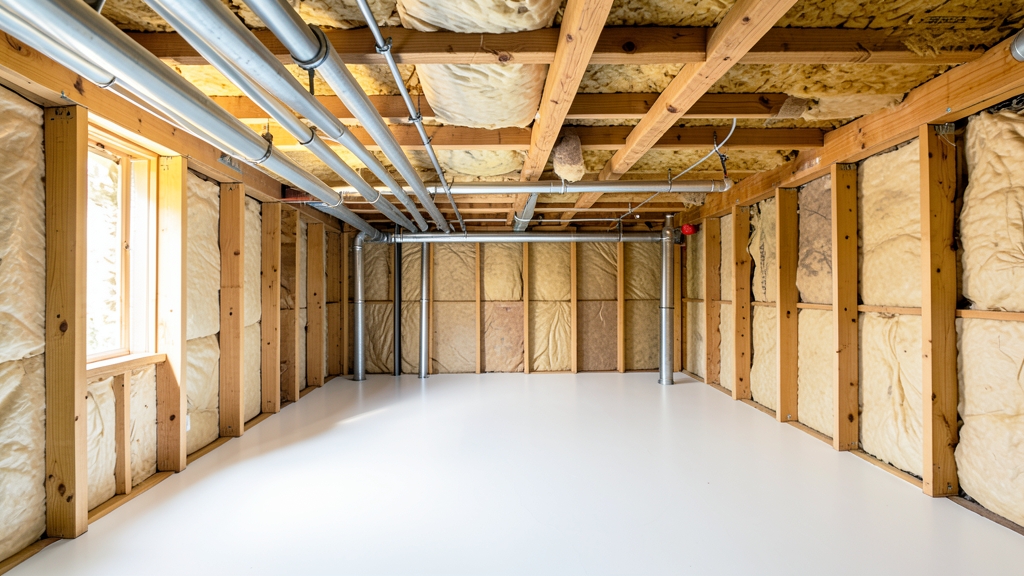
A mold inspection report can look overwhelming at first glance. We break down the key sections—from lab results to moisture maps—so you know exactly what to focus on and when to call in remediation experts.
Why Mold Inspection Reports Matter in Coastal Florida
Redington Beach’s warm, humid climate creates ideal conditions for mold growth year-round. Even minor water intrusion can spiral into a hidden infestation behind walls or under flooring.
Inspection reports document not just visible mold but also moisture sources, air quality, and potential health risks. They’re your roadmap for safe, targeted remediation.
Key Sections of a Professional Mold Inspection Report
Every report starts with a visual assessment. Inspectors note water stains, condensation, or warped materials—common in attics and crawl spaces across Redington Shores and Treasure Island.
Moisture mapping uses thermal imaging and hygrometers to pinpoint hidden leaks or high humidity zones. These are critical for prioritizing remediation areas.
Lab analysis identifies mold species and spore counts from air or surface samples. Not all molds are toxic, but elevated levels of certain types (like Stachybotrys) require attention.
| Mold Type | Common Locations | Health/Structural Risk |
|---|---|---|
| Aspergillus | HVAC systems, drywall | Moderate; can trigger allergies and respiratory issues |
| Cladosporium | Bathrooms, windowsills | Low to moderate; often indicates poor ventilation |
| Stachybotrys (Black Mold) | Water-damaged drywall, insulation | High; linked to severe respiratory problems and structural decay |
| Penicillium | Carpets, basements | Moderate; can spread quickly in damp environments |
Understanding Moisture Readings and Thermal Imaging
Moisture levels above 15-20% in wood or drywall signal active water damage. In Florida, even new builds in North Redington Beach can develop issues from poor drainage or AC condensation.
Thermal cameras reveal temperature differences that indicate hidden moisture. Cold spots often correlate with leaks or condensation in walls or ceilings.
Ask your inspector for a moisture gradient map. This shows how moisture moves through your property, helping target remediation to the source—not just the symptoms.
Decoding Lab Results: Spore Counts and ERMI Scores
Air samples compare indoor spore counts to outdoor baselines. Elevated indoor levels suggest an active mold source. Surface samples confirm contamination on materials like insulation or subflooring.
ERMI (Environmental Relative Moldiness Index) testing uses DNA analysis to measure mold burden. Scores above 2 typically warrant remediation, especially in sensitive groups.
Red Flags That Demand Immediate Remediation
Visible mold growth on porous materials (drywall, ceiling tiles) usually means replacement. Non-porous surfaces like metal or glass can often be cleaned with HEPA vacuuming and antimicrobial treatments.
Musty odors without visible mold indicate hidden colonies—common in crawl spaces or behind baseboards. Ignoring these can lead to structural damage and health complaints.
Never disturb mold without containment. Agitating spores can spread contamination to clean areas, worsening the problem and exposure risks.
How Inspection Reports Guide Remediation Plans
Reports categorize findings by severity (e.g., Level 1: isolated, Level 3: widespread). This determines whether a localized cleanup suffices or if full-scale remediation is needed.
They also outline moisture control recommendations—critical in coastal areas like Madeira Beach, where humidity and storm surges are constant threats.
What’s Missing? Common Oversights in DIY Inspections
Homeowners often miss mold in HVAC systems or behind furniture. Professionals use borescopes and lift carpets to inspect hidden zones thoroughly.
Without proper sampling, you might misidentify mold types or underestimate spore levels. Lab-backed reports ensure accuracy for safe, effective remediation.
Signs Your DIY Inspection Isn’t Enough
- Recurring mold after cleaning
- Unexplained health symptoms (e.g., headaches, respiratory issues)
- Water damage with no visible mold
- Musty odors in specific rooms or areas
How to Review Your Mold Inspection Report Like a Pro
Follow these steps to extract actionable insights from your report.
- 1Check the Executive Summary
Start with the inspector’s overview. This highlights critical findings, urgency levels, and recommended next steps—remediation, testing, or moisture control.
- 2Compare Indoor vs. Outdoor Spore Counts
Look for indoor spore types that aren’t present outdoors or counts significantly higher than baseline. These indicate an indoor source.
- 3Review Moisture Maps and Thermal Images
Identify hotspots with elevated moisture or temperature anomalies. These are priority areas for repairs and remediation.
- 4Note Material-Specific Findings
Pay attention to contaminated materials (e.g., drywall, insulation). Porous items often require removal, while non-porous may be salvageable with cleaning.
- 5Assess Health and Structural Risks
Cross-reference mold types with their known risks. Stachybotrys or Chaetomium may require professional remediation, especially in occupied spaces.
Frequently Asked Questions
How long does a mold inspection take for a typical Redington Beach home?
Most inspections take 1-3 hours, depending on the property size and complexity. Larger homes or those with crawl spaces and attics may require additional time for thorough sampling and moisture mapping.
Can I stay in my home during mold remediation?
It depends on the severity and type of mold. For small, contained areas, you may stay with proper containment. Widespread or toxic mold (like Stachybotrys) often requires temporary relocation for safety.
Why are mold problems more common in Redington Beach than inland areas?
Coastal humidity, frequent storms, and proximity to water increase moisture intrusion risks. Poor ventilation in older homes or vacation properties (common in Treasure Island) exacerbates the issue.
What’s the difference between mold testing and a full inspection?
Testing (air or surface samples) identifies mold types and spore levels. A full inspection includes visual assessment, moisture mapping, and thermal imaging to locate sources and extent of contamination.
Do mold inspection reports include remediation cost estimates?
Rarely. Reports focus on findings and recommendations, not pricing. Costs vary widely based on factors like affected area size, mold type, and accessibility. Request a quote from a remediation specialist for accurate estimates.
How often should I get a mold inspection in a high-humidity area like Redington Shores?
Annual inspections are wise for homes in high-risk areas, especially after major storms or plumbing issues. If you’ve had past water damage or notice musty odors, schedule one immediately.