Why Crawl Space Ventilation Matters for Mold Prevention in Redington Beach
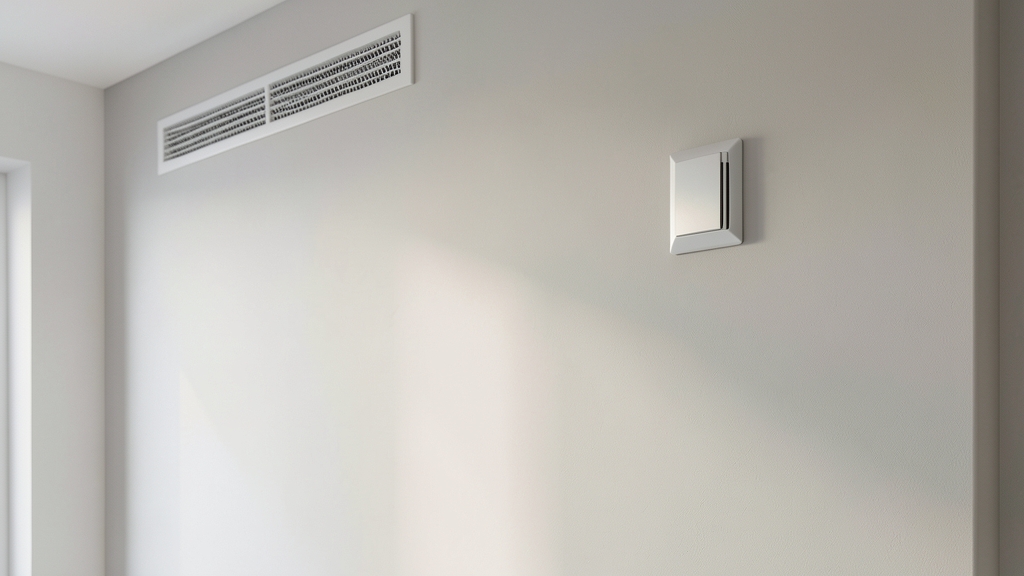
Crawl spaces in coastal homes like those in Redington Beach are prime targets for mold growth due to high humidity and poor airflow. Without proper ventilation, trapped moisture can lead to structural damage and indoor air quality issues. We’ve seen firsthand how small fixes here prevent big problems later.
How Poor Ventilation Fuels Mold Growth
Stagnant air in a crawl space traps humidity, creating the perfect environment for mold spores to settle and multiply. In Florida’s coastal climate, this happens faster than many homeowners realize.
Mold thrives on organic materials like wood framing and subflooring. Without airflow, moisture from the ground or condensation has nowhere to go—accelerating decay and musty odors.
Signs Your Crawl Space Needs Better Ventilation
Musty smells seeping into living areas often originate from a damp, poorly ventilated crawl space. These odors are a red flag for hidden mold colonies.
Visible condensation on joists or insulation, or standing water after rain, signals excessive moisture. Warped wood or peeling paint on floors above are later-stage warnings.
Red Flags to Watch For
- Persistent musty odors indoors
- Condensation on ductwork or insulation
- Rust on metal components or fasteners
- Increased allergy symptoms among occupants
- Soft or discolored subflooring
Ventilation Types: Passive vs. Active Systems
Passive ventilation relies on natural airflow through vents in the foundation. It’s low-cost but often insufficient in humid climates like ours, especially during still, muggy summer days.
Active systems use fans or dehumidifiers to force air exchange. These are more reliable in coastal areas, where high outdoor humidity can overwhelm passive vents.
| Feature | Passive Ventilation | Active Ventilation |
|---|---|---|
| Cost | Lower upfront | Higher upfront, lower long-term risk |
| Effectiveness in Humid Climates | Limited | High |
| Maintenance | Minimal | Requires monitoring and occasional servicing |
| Energy Impact | None | Minimal (dehumidifiers/fans use electricity) |
The Role of Vapor Barriers in Moisture Control
A vapor barrier—a heavy-duty plastic sheet—blocks ground moisture from entering the crawl space. In Redington Beach, where the water table is high, this is a critical first line of defense.
Even with a barrier, ventilation is key. Trapped moisture above the barrier can still cause problems if not addressed. We often pair barriers with dehumidifiers for layered protection.
Use a 20-mil polyethylene vapor barrier for durability. Overlap seams by at least 12 inches and seal with tape designed for crawl spaces.
Local Challenges: Salt Air, Flooding, and High Water Tables
Redington Beach’s proximity to the Gulf means salt air can corrode vents and hardware faster. Regular inspections help catch rust or deterioration early.
Storm surges and heavy rains can overwhelm crawl spaces in low-lying areas, including parts of Redington Shores and Treasure Island. Proper grading and ventilation mitigate this risk.
When to Call in a Professional
If you spot mold, standing water, or structural damage, DIY fixes may not be enough. Our team uses moisture meters and thermal imaging to assess the full extent of the problem.
For homes with chronic humidity issues, we often recommend a hybrid approach: sealing the crawl space, installing a dehumidifier, and adding controlled ventilation.
Mold in crawl spaces can spread to living areas through HVAC systems or gaps in flooring. Early intervention saves time, money, and health.
Long-Term Solutions for Coastal Homes
Encapsulation—sealing the crawl space with a vapor barrier and conditioning the air—is a popular solution in Madeira Beach and North Redington Beach. It turns the space into a controlled environment.
Regular maintenance, like cleaning vents and checking for blockages, keeps systems running efficiently. We also advise homeowners to monitor humidity levels with a simple hygrometer.
How to Improve Crawl Space Ventilation
Follow these steps to reduce moisture and prevent mold in your crawl space.
- 1Inspect Existing Vents
Check for blockages, damage, or rust. Ensure vents are open and unobstructed by debris or landscaping.
- 2Install or Upgrade Vapor Barrier
Lay a high-quality vapor barrier over the entire crawl space floor, sealing seams and edges to prevent moisture seepage.
- 3Add or Enhance Ventilation
For passive systems, add more vents if airflow is insufficient. For active systems, install a crawl space fan or dehumidifier sized for your space.
- 4Seal Gaps and Cracks
Use caulk or spray foam to seal gaps around pipes, wires, and foundation walls to prevent outdoor humidity from entering.
- 5Monitor Humidity Levels
Place a hygrometer in the crawl space and check it regularly. Aim to keep humidity below 60% to inhibit mold growth.
Frequently Asked Questions
How often should crawl space vents be inspected in Redington Beach?
We recommend inspecting vents at least twice a year—once before the rainy season and once after. Coastal homes may need more frequent checks due to salt air and humidity.
Can I use a regular fan for crawl space ventilation?
A standard fan isn’t ideal. Crawl space fans are designed to handle high-moisture environments and are often paired with humidity sensors for automatic operation.
Is crawl space encapsulation worth it for older homes?
Yes, especially in humid climates. Encapsulation addresses moisture at its source and can improve energy efficiency. It’s a long-term solution we often recommend for homes in Treasure Island and Madeira Beach.
What’s the difference between mold remediation and mold removal?
Removal refers to eliminating visible mold, while remediation addresses the root cause—like moisture—and ensures mold won’t return. Remediation often includes cleaning, repairs, and prevention strategies.
Does homeowners insurance cover crawl space mold?
Coverage varies. Most policies exclude mold caused by neglect or poor maintenance. If the mold results from a covered peril, like a burst pipe, it may be included. Always check your policy and document the issue.
Are there any local regulations for crawl space ventilation in Florida?
Florida Building Code requires crawl spaces to be ventilated, but specifics depend on local amendments. In flood-prone areas like Redington Beach, additional measures may be advised or required for new construction or major renovations.